
Suplasyn® – bestill i dag!
Suplasyn® – bestill i dag!
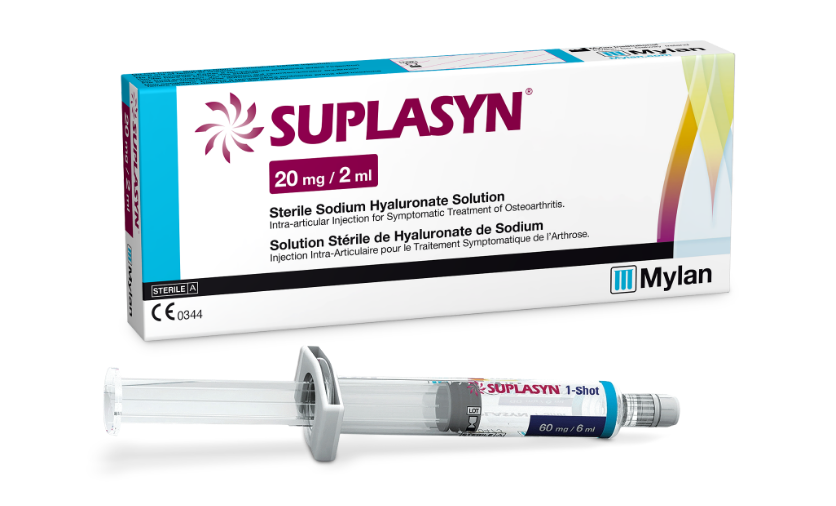
Suplasyn® 2 ml
20 mg / 2 ml
Varenr: 765679
Suplasyn® 2 ml
20 mg / 2 ml
Varenr: 765679
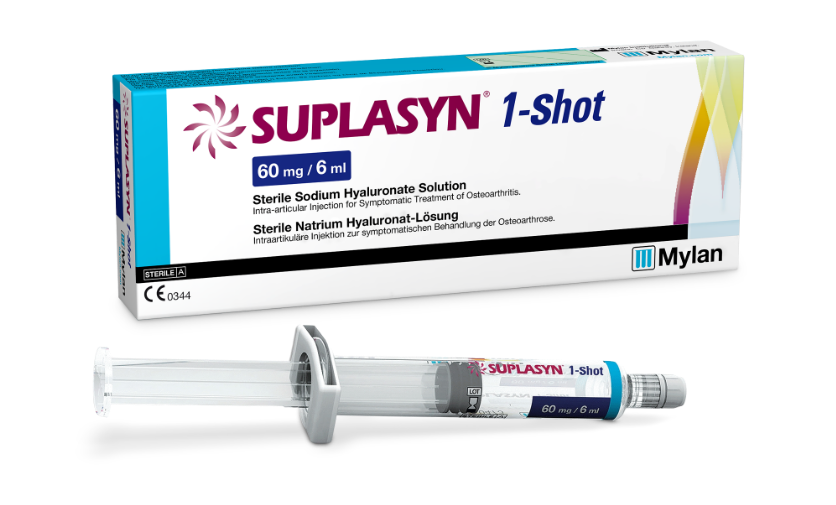
Suplasyn® 1-Shot
60 mg / 6 ml
Varenr: 765702
Om oss
Unimedic Pharma er et svensk farmasøytisk selskap med lang erfaring innen markedsføring, salg og legemiddelutvikling. Unimedic Pharma forsyner i dag Norden og Nord-Europa med et bredt spekter av legemidler innen flere terapiområder.
Vi muliggjør et bedre liv
Vår visjon er å muliggjøre et bedre liv. Dette gjør vi ved å utvikle og tilby helseprodukter og medisiner til mennesker med spesielle medisinske behov og hjelpe dem til å leve et bedre liv.
Vi jobber aktivt med å kontinuerlig utvide selskapets produktportefølje gjennom oppkjøp og langsiktige partnerskap for bedre å møte udekkede medisinske behov. Våre verdier veileder oss i vårt daglige arbeid. Sammen utgjør vår visjon, forretningsidé og verdier ryggraden i selskapet.
Indikasjoner
Suplasyn® og Suplasyn® 1-shot er indisert for symptomatisk behandling av osteoartritt. Suplasyn® har vist seg å være gunstig ved mild til moderat osteoartritt for håndtering av smerte og forbedring av fysisk funksjon i ledd. Mer enn et ledd kan behandles på samme tid.
Fordeler med Suplasyn®
01
Tilgjengelighet
Tilgjengelig i 20 mg/2 ml og 1-shot 60 mg/6 ml.
02
Enkelt og trygt
Suplasyn® er en av de mest brukte hyaluronsyre-produktene i Europa og er nå tilgjengelig i Norge til en gunstig pris.
03
Lav viskositet og optimal molekylvekt
Godkjent for store og små synoviale ledd og er enkel å injisere pga lav viskositet.
04
CE-merket
Suplasyn® er registrert som medisinsk teknisk utstyr og CE-merket.
Kontakt oss for informasjon eller bestilling
For informasjon eller bestilling, kontakt Magnus:
Unimedic Pharma AB
Kontakt
Vennligst benytt skjemaet for bestilling eller spørsmål og vi kontakter deg.
Suplasyn®
SUPLASYN® 1-SHOT. Sterile sodium hyaluronate solutionhyaluronic acid (HA) is a normal component of the synovia and plays a central role in maintaining the physiological internal environment of the joint.
Composition: Viscoelastic solution of a defined molecular weight of purified hyaluronic acid, produced by fermentation.
Each syringe contains: Properties: Hyaluronic acid is the prototype of a wide range of saccharide biopolymers (glycos-aminoglycans), important components of all extracellular tissue structures, including cartilage and synovial fluid. The active substance of SUPLASYN® is a hyaluronic acid of defined molecular chain length with a high degree of purity. The introduction of SUPLASYN® into the synovial space will assist in the normalization of the joint following arthrocentesis.
Indications: SUPLASYN® and SUPLASYN® 1-SHOT are indicated for the symptomatic treatment of osteoarthritis. SUPLASYN® has been shown to be beneficial in osteoarthritis for the management of pain and improvement in physical function of joints. More than one joint may be treated at the same time.
Dosage and administration: Depending upon joint size, up to 6 ml may be administered intra-articularly. SUPLASYN®: The recommended schedule for SUPLASYN® supplied in a 2 ml syringe is 1 injection per week for 3 weeks, but up to 6 may be given depending on patient’s condition.
SUPLASYN® 1-SHOT: Intended for single administration. Use strict aseptic technique. Discard any unused portion of the syringe.
References
1. Moreland L.W. Intra-articular hyaluronan (hyaluronic acid) and hylans for the treatment of osteoarthritis: mechanisms of action. Arthritis Res Ther 2003, 5:54-67. 2. Petrella R J: Hyaluronic acid for the treatment of knee osteoarthritis: Long-term outcomes from a naturalistic primary care experience. Am J Phys Med Rehabil 2OO5;84:287- 283. 3. Gydek A et al. ̈Efficacy and safety of intra-articular use of Hyaluronic acid (Suplasyn) in the treatment of knee osteoarthritis ̈ Przegl Lek. 2011;68(6) 307-10. 4. Vitanzo C et al. Hyaluronans: Is clinical effectiveness dependent on molecular weight? The American Journal of Orthopedics. 2006; 421-28.